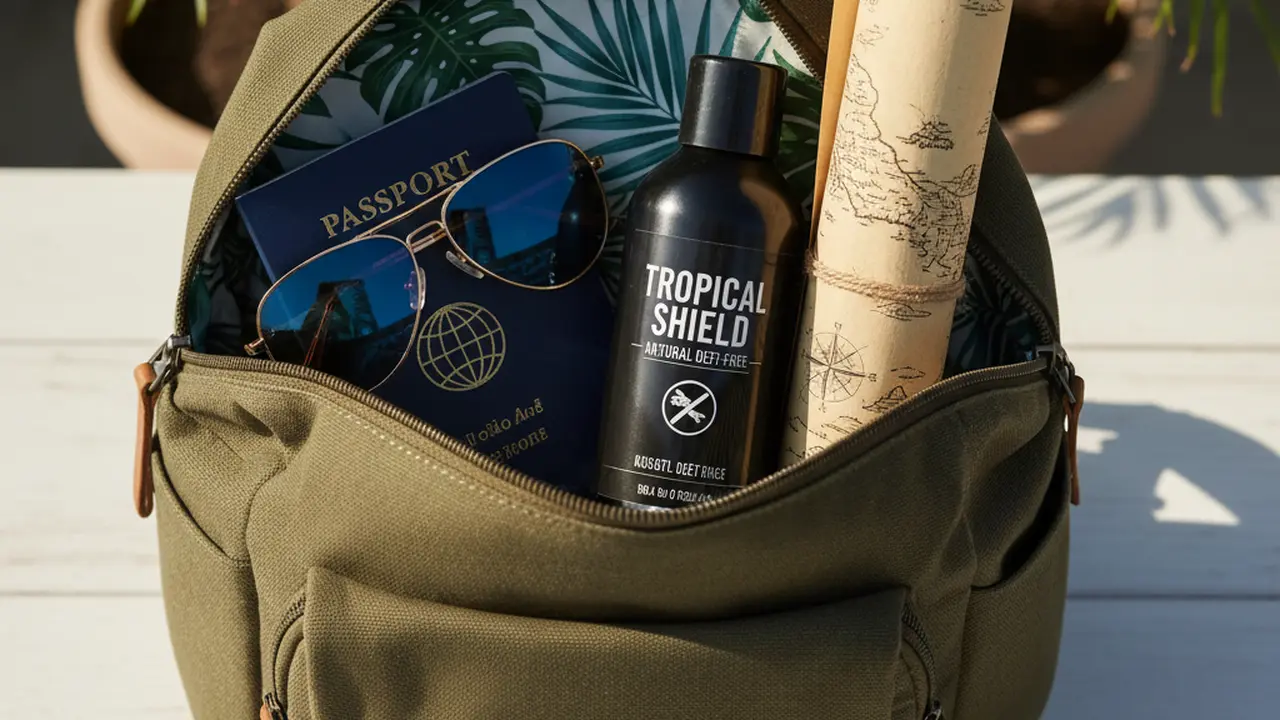
Best Southeast Asian Countries for Wildlife Encounters
Plan your wildlife adventure with our guide to the best countries in Southeast Asia for spotting exotic animals.
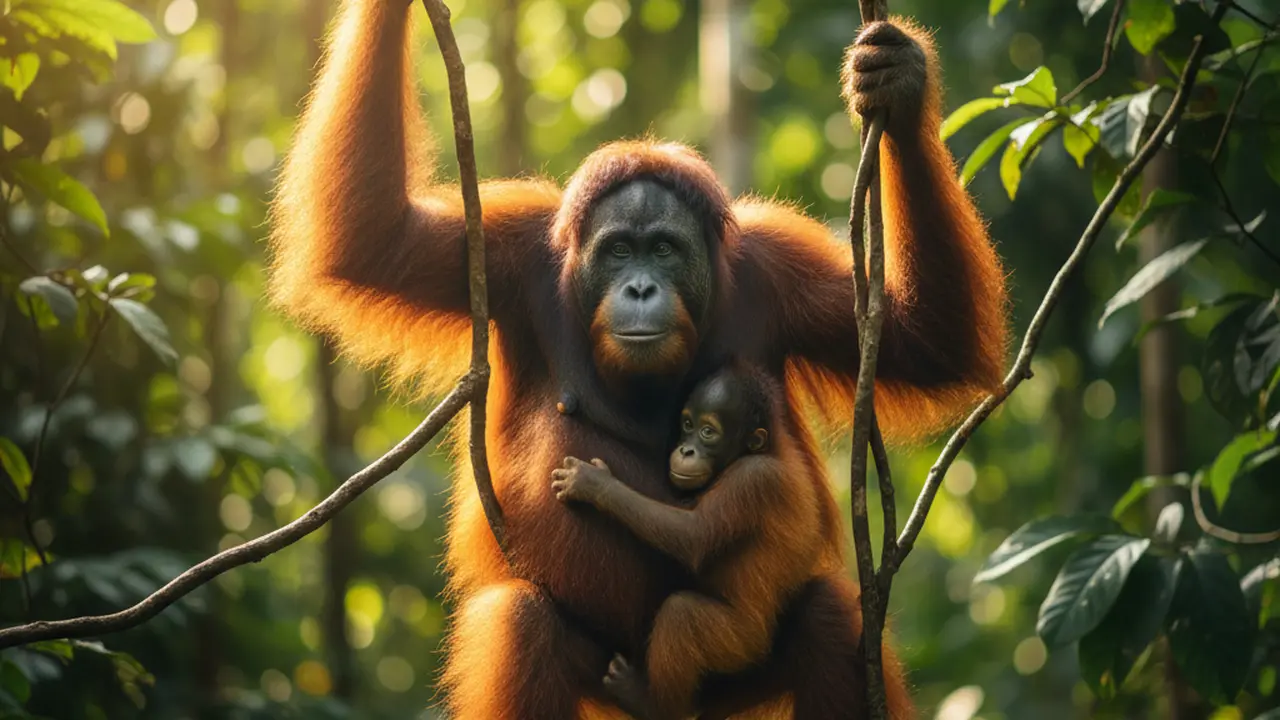
Best Southeast Asian Countries for Wildlife Encounters
Plan your wildlife adventure with our guide to the best countries in Southeast Asia for spotting exotic animals.
Exploring Southeast Asias Incredible Biodiversity
Southeast Asia is a treasure trove of biodiversity, boasting lush rainforests, vibrant coral reefs, and diverse ecosystems that are home to an astonishing array of wildlife. From majestic tigers and orangutans to colorful birds and marine life, this region offers unparalleled opportunities for nature enthusiasts and wildlife photographers. Planning a wildlife-focused trip requires careful consideration of the best destinations, ethical tour operators, and essential gear. This guide will help you navigate the incredible natural wonders of Southeast Asia and discover the top countries for unforgettable wildlife encounters.
Malaysia A Haven for Orangutans and Rainforest Giants
Malaysia, particularly the island of Borneo, is a world-renowned destination for spotting orangutans in their natural habitat. The Sepilok Orangutan Rehabilitation Centre in Sabah is a must-visit, offering a chance to see these intelligent primates up close during feeding times. Beyond orangutans, Malaysian Borneo is teeming with other fascinating creatures. Kinabatangan River cruises provide opportunities to see pygmy elephants, proboscis monkeys, crocodiles, and a plethora of bird species, including the rare hornbill. The Danum Valley Conservation Area offers a more immersive rainforest experience, with chances to spot clouded leopards, sun bears, and diverse insect life. For marine enthusiasts, the islands off the coast of Sabah, like Sipadan, are legendary for their vibrant coral reefs and abundant marine life, including sea turtles, reef sharks, and schools of tropical fish.
Recommended Wildlife Experiences in Malaysia
- Orangutan Encounters: Sepilok Orangutan Rehabilitation Centre (Sabah) and Semenggoh Wildlife Centre (Sarawak).
- River Safaris: Kinabatangan River cruises (Sabah) for proboscis monkeys, pygmy elephants, and crocodiles.
- Rainforest Trekking: Danum Valley Conservation Area (Sabah) for diverse flora and fauna.
- Marine Life: Diving and snorkeling at Sipadan Island (Sabah), Mabul Island, and Kapalai.
Essential Gear for Malaysian Wildlife Tours
- Binoculars: A good pair of binoculars (e.g., Nikon Monarch M5 10x42, $200-$250) is crucial for spotting distant wildlife.
- Waterproof Camera: Capture underwater wonders with a GoPro HERO12 Black ($300-$400) or similar action camera.
- Insect Repellent: High-DEET repellent (e.g., Sawyer Picaridin Lotion, $10-$15) is essential for rainforest excursions.
- Lightweight Rain Gear: A packable rain jacket (e.g., Marmot PreCip Eco Jacket, $100-$120) for sudden downpours.
Indonesia The Realm of the Komodo Dragon and Sumatran Tiger
Indonesia, an archipelago of over 17,000 islands, offers a staggering diversity of wildlife. Komodo National Park is the primary destination for seeing the world's largest lizard, the Komodo dragon, in its natural, rugged habitat. Guided tours are essential for safety and to maximize your chances of spotting these prehistoric creatures. Beyond Komodo, Sumatra is a critical stronghold for endangered species. Gunung Leuser National Park provides opportunities to see critically endangered Sumatran orangutans, Sumatran tigers, Sumatran rhinos, and elephants. Trekking through these ancient rainforests is a challenging but incredibly rewarding experience. For marine life, Raja Ampat in West Papua is considered the epicenter of marine biodiversity on Earth, offering unparalleled diving and snorkeling with manta rays, sharks, and an astonishing variety of fish.
Recommended Wildlife Experiences in Indonesia
- Komodo Dragons: Komodo National Park (Rinca Island, Komodo Island) with guided tours.
- Sumatran Wildlife: Gunung Leuser National Park (Sumatra) for orangutans, tigers, and rhinos.
- Marine Biodiversity: Diving and snorkeling in Raja Ampat (West Papua).
- Birdwatching: Explore diverse bird species in various national parks across the archipelago.
Essential Gear for Indonesian Wildlife Tours
- Sturdy Hiking Boots: Essential for trekking in rainforests and volcanic terrains (e.g., Merrell Moab 3, $140-$160).
- Dry Bag: Protect your electronics and valuables during boat trips and potential rain (e.g., Osprey Ultralight Dry Sack 20L, $30-$40).
- High-SPF Sunscreen: Crucial for tropical climates (e.g., Neutrogena Ultra Sheer Dry-Touch SPF 55, $10-$15).
- Personal Water Filter: Ensure safe drinking water on treks (e.g., Lifestraw Peak Squeeze Filter, $40-$50).
Thailand A Sanctuary for Elephants and Marine Wonders
Thailand is perhaps best known for its elephant sanctuaries, offering ethical encounters with these gentle giants. Many sanctuaries focus on rescue and rehabilitation, allowing visitors to observe elephants in a natural setting, feed them, and bathe them responsibly. Avoid places that offer elephant riding or performances. Beyond elephants, Thailand's islands and coastal waters are rich in marine life. The Similan Islands and Surin Islands National Parks are world-class diving and snorkeling destinations, famous for their clear waters, vibrant coral reefs, and diverse fish populations, including whale sharks during certain seasons. Khao Sok National Park, a vast area of ancient rainforest, offers opportunities to spot diverse birdlife, gibbons, and even wild boar.
Recommended Wildlife Experiences in Thailand
- Ethical Elephant Sanctuaries: Elephant Nature Park (Chiang Mai) and Boon Lott's Elephant Sanctuary (Sukhothai).
- Diving and Snorkeling: Similan Islands, Surin Islands, and Koh Tao for vibrant coral reefs and marine life.
- Rainforest Exploration: Khao Sok National Park for diverse flora, fauna, and lake tours.
- Birdwatching: Various national parks offer excellent birdwatching opportunities.
Essential Gear for Thai Wildlife Tours
- Rash Guard: Protect your skin from the sun and jellyfish while snorkeling or diving (e.g., O'Neill Basic Skins Rash Tee, $30-$40).
- Water Shoes: Useful for rocky beaches and exploring riverbeds (e.g., Speedo Water Shoe, $20-$30).
- Quick-Dry Towel: Compact and fast-drying for beach and trekking trips (e.g., Sea to Summit Tek Towel, $20-$35).
- Headlamp: For early morning safaris or exploring caves (e.g., Petzl Actik Core, $70-$80).
Vietnam Diverse Habitats from Mountains to Coast
Vietnam's varied geography supports a surprising range of wildlife. Cat Ba Island, part of the UNESCO World Heritage site Ha Long Bay, is home to the critically endangered Cat Ba langur, a unique primate found nowhere else. Guided treks within the national park offer chances to spot this elusive creature, along with diverse bird species. Further south, Cuc Phuong National Park, Vietnam's oldest national park, is a haven for primates, including langurs and macaques, as well as numerous bird and reptile species. For marine life, the waters around Phu Quoc Island offer opportunities for snorkeling and diving, though the coral reefs are not as pristine as in some other Southeast Asian destinations. The Mekong Delta, while heavily populated, still supports unique wetland ecosystems and birdlife.
Recommended Wildlife Experiences in Vietnam
- Primate Spotting: Cat Ba National Park (Cat Ba Island) for Cat Ba langurs.
- Biodiversity Hotspot: Cuc Phuong National Park for diverse primates and birds.
- Marine Exploration: Snorkeling around Phu Quoc Island.
- Wetland Wildlife: Explore birdlife in the Mekong Delta.
Essential Gear for Vietnamese Wildlife Tours
- Lightweight Trekking Pants: Comfortable and quick-drying for jungle hikes (e.g., Columbia Silver Ridge Convertible Pants, $50-$60).
- Breathable Hiking Socks: Prevent blisters on long treks (e.g., Darn Tough Hiker Micro Crew Cushion Socks, $20-$25).
- Small Backpack: For day trips and carrying essentials (e.g., Deuter Speed Lite 20, $70-$80).
- Basic First Aid Kit: For minor cuts and scrapes (e.g., Adventure Medical Kits Ultralight/Watertight .5, $15-$20).
Cambodia The Resurgence of Wildlife in Protected Areas
Cambodia, recovering from decades of conflict, is making significant strides in wildlife conservation. Cardamom National Park, one of the largest remaining wilderness areas in Southeast Asia, is a crucial habitat for endangered species like clouded leopards, sun bears, pangolins, and Siamese crocodiles. Eco-tourism initiatives are growing, offering opportunities for guided treks and responsible wildlife viewing. Phnom Tamao Wildlife Rescue Center provides a safe haven for rescued animals, including tigers, bears, and elephants, offering a chance to see them up close while supporting conservation efforts. While not a primary wildlife destination, the Tonle Sap Lake, Southeast Asia's largest freshwater lake, supports diverse birdlife, especially during the dry season when water levels recede.
Recommended Wildlife Experiences in Cambodia
- Rainforest Conservation: Explore Cardamom National Park with local guides.
- Rescue Centers: Phnom Tamao Wildlife Rescue Center for rescued animals.
- Birdwatching: Tonle Sap Lake for diverse avian species.
Essential Gear for Cambodian Wildlife Tours
- Lightweight Long-Sleeved Shirts: For sun and insect protection (e.g., REI Co-op Sahara Long-Sleeved Shirt, $50-$60).
- Comfortable Walking Shoes: Suitable for varied terrain (e.g., Keen Targhee III Waterproof Mid Height Hiking Boots, $150-$170).
- Reusable Water Bottle: Stay hydrated and reduce plastic waste (e.g., Hydro Flask Standard Mouth Bottle 24oz, $35-$45).
- Small Travel Umbrella: For unexpected rain showers (e.g., Repel Windproof Travel Umbrella, $20-$25).
Responsible Wildlife Tourism A Must for Conservation
When embarking on wildlife adventures in Southeast Asia, it's crucial to prioritize responsible tourism. Choose tour operators that adhere to ethical wildlife viewing practices, maintain a safe distance from animals, and do not feed or disturb them. Support conservation efforts by visiting reputable sanctuaries and national parks that contribute to wildlife protection and local communities. Avoid purchasing souvenirs made from endangered species. By traveling responsibly, you can ensure that these incredible natural wonders and their inhabitants are preserved for future generations to enjoy.
Planning Your Southeast Asian Wildlife Adventure
The best time to visit for wildlife viewing often depends on the specific region and species you hope to see. Generally, the dry seasons (roughly November to April) are popular, but the shoulder seasons can offer fewer crowds and unique sightings. Researching specific national parks and reserves, understanding local regulations, and booking reputable guides are key steps. Packing appropriately for tropical climates, including protection from sun, rain, and insects, is essential. With careful planning and a commitment to responsible travel, your Southeast Asian wildlife adventure promises to be an experience of a lifetime, filled with awe-inspiring encounters with nature's most magnificent creatures.