Best US National Parks for Photography
Capture stunning landscapes with our guide to the most photogenic US National Parks. Discover top spots for photographers.
Best US National Parks for Photography
Capture stunning landscapes with our guide to the most photogenic US National Parks. Discover top spots for photographers.
Photographing the Grandeur of Zion National Park
Zion National Park in Utah is a photographer's paradise, renowned for its towering sandstone cliffs, narrow canyons, and vibrant colors. The Virgin River carves through the park, creating dramatic vistas that change with the light. Early morning and late afternoon offer the best light for capturing the iconic formations like Angels Landing and The Watchman. Consider bringing a wide-angle lens to encompass the vastness of the canyons and a telephoto lens for details in the rock formations and potential wildlife sightings. Popular spots include the Pa'rus Trail for accessible river views, the Canyon Overlook Trail for panoramic vistas, and the Narrows for a unique perspective from within the river itself. For those seeking a truly unique shot, consider the Emerald Pools trail, especially after rain when the waterfalls are most active. The sheer scale of Zion demands a good tripod for low-light conditions and long exposures, especially when capturing the Virgin River's flow or the star-filled night sky, which is often spectacular due to minimal light pollution.
Yellowstone National Park A Photographer's Dream
Yellowstone, America's first national park, offers an unparalleled diversity of photographic opportunities, from geothermal wonders to abundant wildlife. The Grand Prismatic Spring, with its vibrant rainbow hues, is a must-capture, best viewed from the overlook trail for the full effect. Old Faithful, while iconic, requires patience to capture its eruption against a dramatic sky. The Lamar Valley and Hayden Valley are prime locations for wildlife photography, where bison, elk, bears, and wolves are frequently spotted. Bring a telephoto lens (300mm or longer is recommended) for wildlife, and a sturdy tripod for capturing the steam rising from geysers and hot springs, especially during cooler mornings and evenings when the contrast is most striking. Don't forget to explore the Grand Canyon of the Yellowstone, with its powerful waterfalls and colorful canyon walls, offering numerous vantage points for dramatic shots. Consider a polarizing filter to enhance the colors of the springs and reduce glare on water bodies.
Capturing the Majestic Peaks of Grand Teton National Park
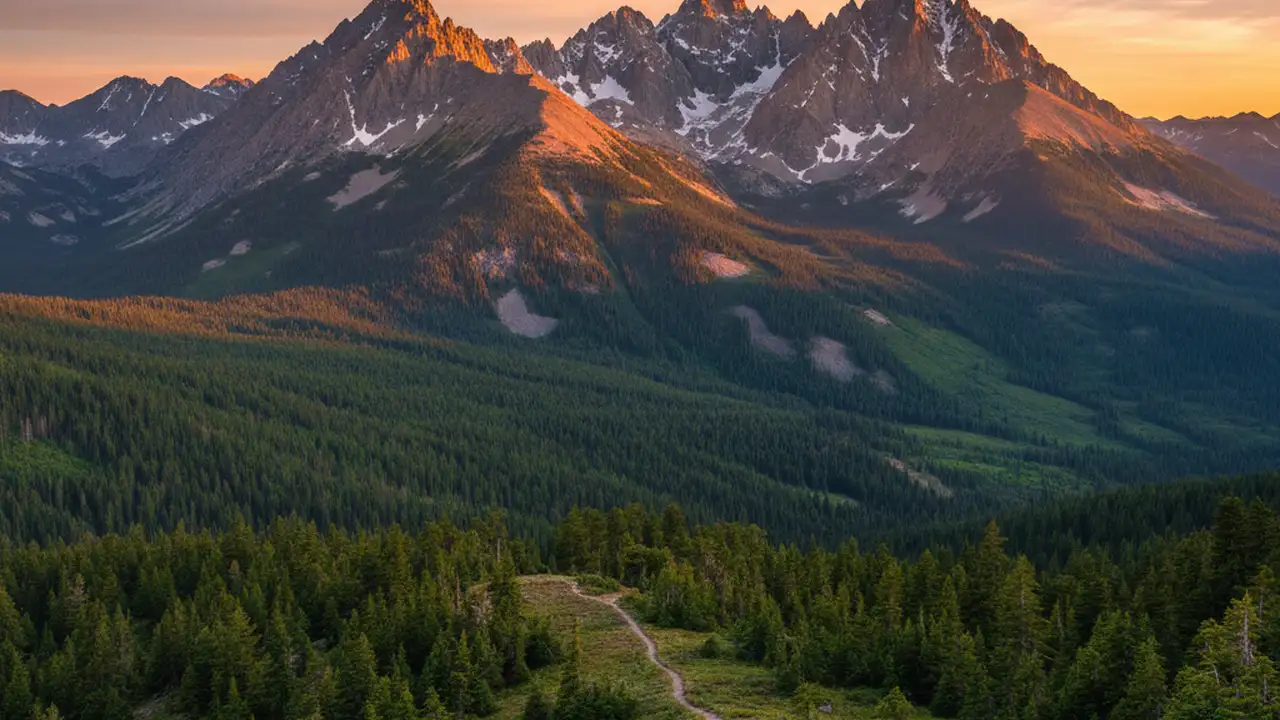
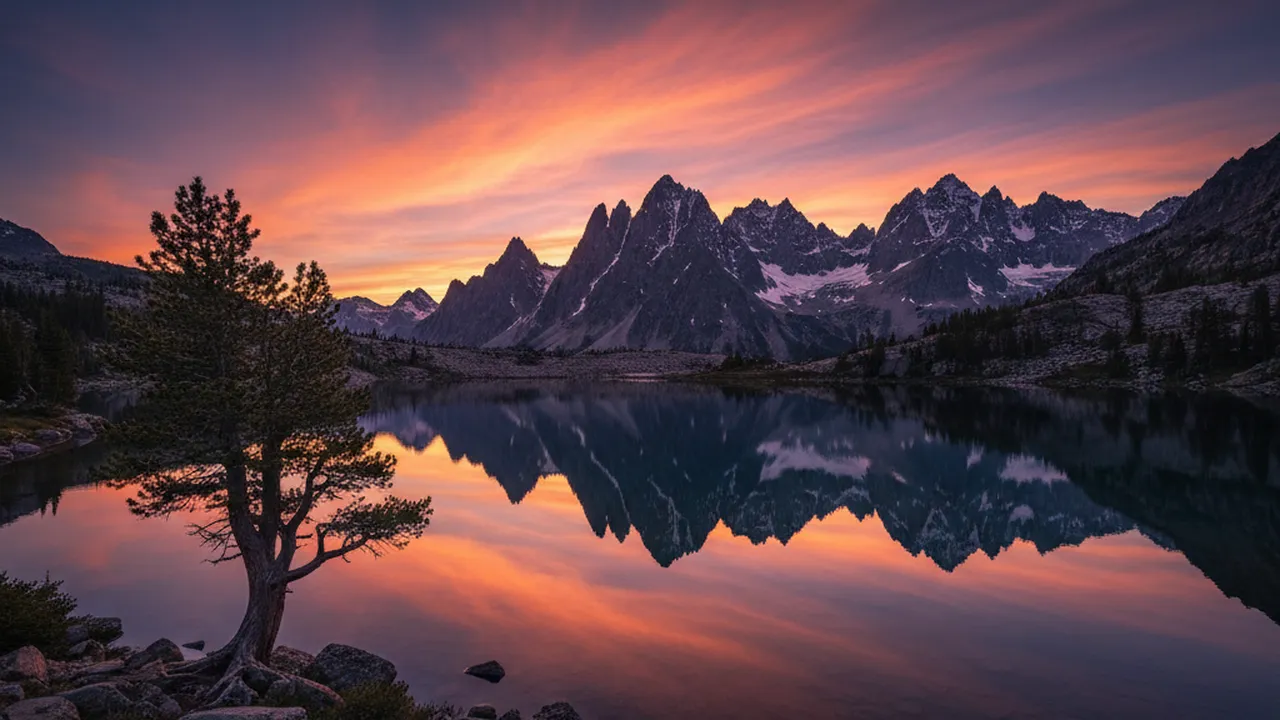
Just south of Yellowstone, Grand Teton National Park presents a dramatically different, yet equally photogenic, landscape. The Teton Range, with its jagged, snow-capped peaks rising abruptly from the valley floor, offers breathtaking compositions. Mormon Row, with its historic barns set against the Teton backdrop, is a classic and highly sought-after shot, especially at sunrise. Oxbow Bend is another iconic location, famous for its reflections of Mount Moran in the Snake River, particularly stunning during the golden hours. Jenny Lake and String Lake offer opportunities for serene water reflections and shots of kayakers or hikers against the mountains. A versatile zoom lens (like a 24-70mm or 70-200mm) is ideal for capturing both the grand landscapes and the details of the mountains. For astrophotography enthusiasts, the dark skies here are exceptional, with the Milky Way often visible arching over the Teton peaks. Remember to check the weather, as dramatic storm clouds can add incredible mood to your Teton photographs.
The Dramatic Landscapes of Yosemite National Park
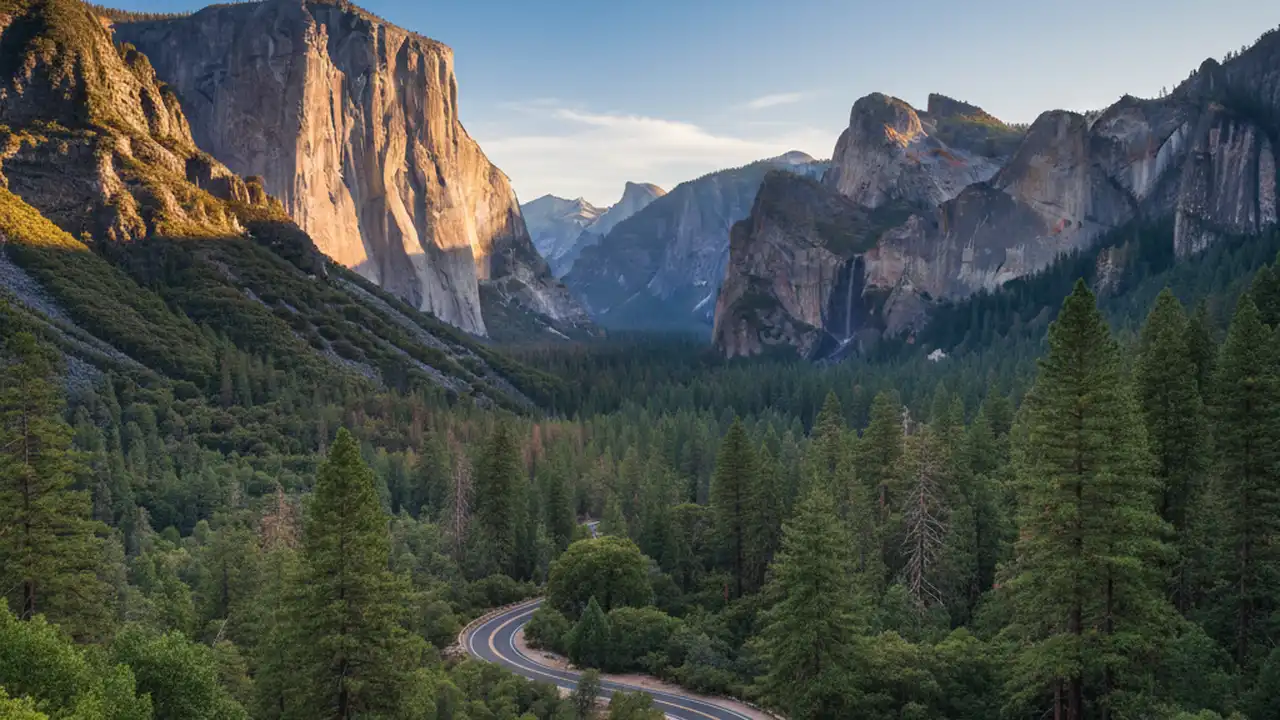
Yosemite National Park in California is a legendary destination for photographers, celebrated for its granite cliffs, giant sequoia trees, and stunning waterfalls. Yosemite Valley, with landmarks like El Capitan, Half Dome, and Yosemite Falls, provides endless photographic possibilities. Tunnel View offers perhaps the most iconic panorama of the valley, especially at sunrise or sunset when the granite faces glow. Bridalveil Fall is another must-capture, particularly in spring when the water flow is at its peak. For a different perspective, hike to Glacier Point for a bird's-eye view of the valley, or explore the Mariposa Grove to photograph the ancient giant sequoias. A wide-angle lens is essential for capturing the scale of the valley and the cliffs, while a telephoto lens can be useful for isolating details or capturing distant features. Consider visiting in spring for the waterfalls or in autumn for the vibrant fall colors. The Merced River also offers beautiful reflections of the surrounding granite monoliths.
Arches National Park A Photographer's Playground
Arches National Park, near Moab, Utah, is famous for its surreal sandstone formations, including the world's largest concentration of natural sandstone arches. Delicate Arch, the park's most famous icon, is best photographed at sunrise or sunset, offering a warm glow on the sandstone. Landscape Arch, one of the longest natural arches in the world, is accessible via a relatively easy hike. The Windows Section, with North and South Window Arches and Turret Arch, provides numerous photographic compositions. Park Avenue offers a dramatic canyon-like scene with towering rock fins. A wide-angle lens is crucial for capturing the scale and unique shapes of the arches, and a tripod is highly recommended for low-light conditions and capturing the stars against these natural wonders. The red rock landscape is particularly striking during the golden hours, and the contrast with a deep blue sky is a photographer's dream. Be prepared for desert conditions, including heat and sun exposure.
Acadia National Park Coastal Beauty for Photographers
Acadia National Park in Maine offers a stunning blend of rocky coastline, granite peaks, and lush forests, making it a highly photogenic destination on the East Coast. Cadillac Mountain, the highest point on the North Atlantic seaboard, offers spectacular sunrise views (reservations may be required) and panoramic vistas of the surrounding islands and ocean. Thunder Hole, a natural inlet in the rocks, provides dramatic wave action photography opportunities, especially during high tide. Jordan Pond, with its clear waters and the iconic Bubbles mountains in the background, is perfect for serene landscape shots and reflections. The Park Loop Road provides access to numerous scenic pull-offs and viewpoints. A polarizing filter can be very effective in enhancing the colors of the ocean and the sky, and reducing glare on the water. Consider visiting in autumn for the vibrant fall foliage, which adds another layer of color to the already beautiful landscapes. A versatile zoom lens is useful for capturing both the expansive coastal views and the details of the rocky shores.
Glacier National Park Where Ice Meets Sky
Glacier National Park in Montana is a photographer's dream, known for its pristine glaciers, alpine meadows, turquoise lakes, and dramatic mountain scenery. Going-to-the-Sun Road offers breathtaking views at every turn, with iconic spots like Lake McDonald, Logan Pass, and the Weeping Wall. Lake McDonald, the park's largest lake, is famous for its colorful pebbles and stunning reflections of the surrounding mountains, especially at sunrise. Avalanche Lake and St. Mary Lake are other picturesque locations offering incredible photographic potential. Wildlife, including mountain goats, bighorn sheep, and bears, are often seen in the higher elevations. A wide-angle lens is essential for capturing the vastness of the landscapes, while a telephoto lens is useful for wildlife and distant mountain details. Bring a sturdy tripod for low-light conditions and for capturing the reflections in the lakes. The park's dramatic weather can create stunning, moody skies, perfect for dramatic landscape photography. Remember that some areas and roads may be closed due to snow well into the summer, so always check conditions before your visit.
Rocky Mountain National Park Alpine Wonders
Rocky Mountain National Park in Colorado boasts stunning alpine scenery, including towering peaks, vast meadows, and abundant wildlife. Trail Ridge Road, one of the highest continuous paved roads in North America, offers incredible panoramic views and access to alpine tundra ecosystems. Bear Lake, Sprague Lake, and Moraine Park are popular spots for landscape photography, offering beautiful reflections and mountain backdrops. The park is also renowned for its wildlife, with elk, bighorn sheep, and moose frequently sighted, especially during the rutting season in autumn. A telephoto lens is highly recommended for wildlife photography. For landscape photographers, a wide-angle lens is crucial for capturing the grandeur of the mountains and the expansive meadows. Consider visiting in autumn for the golden aspens and the elk rut, or in spring and early summer for wildflowers and flowing waterfalls. The dramatic mountain weather can also provide excellent opportunities for capturing storm clouds and dramatic light. Always be prepared for changing weather conditions at high altitudes.
Great Smoky Mountains National Park Nature's Palette
The Great Smoky Mountains National Park, straddling the border of North Carolina and Tennessee, is the most visited national park in the US, offering lush forests, rolling mountains, and abundant biodiversity. Cades Cove is a popular destination for its historic buildings, open fields, and wildlife viewing opportunities, especially for deer and black bears. Newfound Gap Road provides scenic overlooks and access to hiking trails. Clingmans Dome, the highest point in the park, offers panoramic views on clear days. The park is particularly stunning in autumn when the mountains are ablaze with fall colors, making it a prime location for landscape photographers. A wide-angle lens is useful for capturing the rolling mountain vistas, while a telephoto lens is beneficial for wildlife and isolating details in the landscape. Consider visiting during the spring for blooming wildflowers or in autumn for the spectacular fall foliage. The mist that often hangs in the valleys adds a mystical quality to the photographs.
Olympic National Park Diverse Ecosystems for Photographers
Olympic National Park in Washington State is incredibly diverse, encompassing rugged coastlines, temperate rainforests, and glaciated mountains. The Hoh Rainforest, with its moss-draped trees and lush undergrowth, offers a unique and ethereal photographic experience. Rialto Beach and Ruby Beach are famous for their dramatic sea stacks, driftwood, and powerful Pacific waves, especially at sunset. Hurricane Ridge provides stunning panoramic views of the Olympic Mountains and the Strait of Juan de Fuca. A wide-angle lens is essential for capturing the scale of the rainforest and the expansive coastal scenes. A polarizing filter can be very effective for enhancing the colors of the ocean and sky, and reducing glare on wet surfaces in the rainforest. Consider visiting during different seasons to capture the park's varied moods – from the misty rainforests to the snow-capped mountains. The dramatic coastline offers endless opportunities for capturing the raw power of the ocean.
Essential Photography Gear and Tips
To make the most of your photographic adventures in these stunning national parks, having the right gear and knowing a few key tips can make a significant difference. Here's a breakdown of recommended equipment and advice:
Camera Body and Lenses
While a high-end DSLR or mirrorless camera will yield the best results, even a good smartphone camera can capture beautiful images in these locations. The key is understanding your equipment's capabilities. For landscape photography, a wide-angle lens (e.g., 16-35mm on a full-frame camera) is invaluable for capturing expansive scenes. A versatile mid-range zoom lens (e.g., 24-70mm or 24-105mm) is excellent for general use, allowing you to frame shots without constantly changing lenses. For wildlife photography, a telephoto lens (e.g., 70-200mm, 100-400mm, or longer) is crucial. Consider prime lenses for specific needs, like a 50mm f/1.8 for low light or portraits.
Tripod and Filters
A sturdy tripod is non-negotiable for landscape photography, especially in low light conditions (sunrise, sunset, night) or when using slower shutter speeds to capture motion blur in water or clouds. Look for a lightweight yet stable tripod. Essential filters include a polarizing filter (CPL) to reduce glare, enhance colors, and deepen blue skies, and a neutral density (ND) filter for long exposure photography, allowing you to smooth out water or clouds even in brighter conditions. Brands like B+W, Hoya, and Breakthrough Photography offer quality filters.
Other Essential Accessories
Extra Batteries and Memory Cards: You don't want to miss a shot due to a dead battery or full memory card. Always carry spares.
Camera Bag: A comfortable and protective camera bag is essential for carrying your gear, especially on hikes. Brands like Peak Design, Osprey, and Lowepro offer excellent options.
Cleaning Kit: Keep your lenses and camera sensor clean with microfiber cloths, a lens brush, and a blower.
Remote Shutter Release: Useful for long exposures and wildlife photography to avoid camera shake.
Photography Tips for National Parks
Golden Hours: Shoot during the hour after sunrise and the hour before sunset. The soft, warm light creates dramatic shadows and enhances colors.
Scout Locations: Arrive early or stay late to scout locations and find unique compositions. Use apps like PhotoPills or The Photographer's Ephemeris to plan shots based on sun and moon positions.
Look for Details: Don't just focus on grand vistas. Look for interesting textures, patterns, and smaller scenes within the larger landscape.
Embrace Weather: Stormy skies, fog, and mist can add incredible mood and drama to your photographs. Don't shy away from challenging weather.
Respect Wildlife: Maintain a safe distance from all wildlife. Use a telephoto lens to get close-up shots without disturbing the animals.
Leave No Trace: Stay on marked trails and avoid disturbing the natural environment. Pack out everything you pack in.
Recommended Products and Pricing Examples
Here are a few examples of photography gear that would be excellent for national park photography, with approximate price ranges:
- Camera Body:
- Entry-Level DSLR/Mirrorless: Canon EOS Rebel T7i or Nikon D3500 (around $600-$800 with kit lens). Great for beginners.
- Mid-Range DSLR/Mirrorless: Canon EOS 90D or Sony a6400 (around $1000-$1500 body only). Offers more advanced features and better image quality.
- Professional Mirrorless: Sony a7 IV or Canon EOS R6 (around $2500-$3000 body only). Top-tier performance for serious photographers.
- Lenses:
- Wide-Angle Zoom: Sigma 14-24mm f/2.8 DG DN Art (for Sony E/L-mount) - approx. $1300. Excellent for landscapes.
- Versatile Zoom: Tamron 28-75mm f/2.8 Di III RXD (for Sony E-mount) - approx. $800. A great all-around lens.
- Telephoto Zoom: Canon RF 100-400mm f/5.6-8 IS USM - approx. $650. Good for wildlife on a budget. Nikon AF-S NIKKOR 200-500mm f/5.6E ED VR - approx. $1000. Excellent reach for wildlife.
- Tripod:
- Travel Tripod: Peak Design Travel Tripod - approx. $350. Compact and robust.
- Sturdy Tripod: Manfrotto 055 series with a ball head - approx. $300-$400. Offers great stability.
- Filters:
- Polarizer: B+W XS-Pro Digital HTC-Polarizer MRC-Nano (67mm) - approx. $70-$100. High quality.
- ND Filter: K&F Concept Variable ND Filter (67mm) - approx. $40-$60. Convenient for varying light.
- Camera Bag:
- Backpack: Osprey Archeon 25 (with camera cube insert) - approx. $200-$250. Comfortable for hiking.
- Sling Bag: Peak Design Everyday Sling v2 (6L) - approx. $150-$180. Quick access to gear.
Remember that prices can vary significantly based on brand, features, and whether you buy new or used. Always research and read reviews before making a purchase. Investing in quality gear can enhance your ability to capture the stunning beauty of the US National Parks.
Final Thoughts on Capturing National Park Beauty
The US National Parks offer an endless canvas for photographers of all levels. Whether you're drawn to the dramatic canyons of the Southwest, the geothermal wonders of Yellowstone, the majestic peaks of the Rockies, or the rugged coastlines of Maine, each park presents unique opportunities to capture breathtaking images. Remember to plan ahead, pack the right gear, and most importantly, take the time to observe and appreciate the natural beauty around you. The best photographs often come from patience, practice, and a deep connection with the environment. So grab your camera, head out to explore, and let the incredible landscapes of America's National Parks inspire your creativity.