Best Ways to Handle Emergencies While Traveling in Southeast Asia
Be prepared for the unexpected with our guide to handling emergencies in Southeast Asia, covering medical, safety, and logistical challenges.
Best Ways to Handle Emergencies While Traveling in Southeast Asia
Be prepared for the unexpected with our guide to handling emergencies in Southeast Asia, covering medical, safety, and logistical challenges.
Southeast Asia is an incredible region, brimming with vibrant cultures, breathtaking landscapes, and unforgettable adventures. However, like any travel destination, it's wise to be prepared for potential emergencies. Knowing how to handle unexpected situations can turn a potentially disastrous experience into a manageable one, allowing you to continue enjoying your trip. This guide will walk you through common emergencies and how to best navigate them in Southeast Asia.
Medical Emergencies and First Aid in Southeast Asia
Medical emergencies can range from minor injuries to more serious conditions. Having a basic understanding of how to access healthcare and what to do is crucial.
Minor Injuries and Illnesses
Cuts, scrapes, sprains, and traveler's stomach are common. Most tourist areas will have local pharmacies (often called 'Apotek' or similar) where you can purchase basic first-aid supplies like bandages, antiseptic wipes, and pain relievers. For traveler's stomach, over-the-counter medications like Imodium or Pepto-Bismol can be helpful, but it's always best to consult a pharmacist if unsure. Staying hydrated with bottled water is key.
Serious Medical Situations
For more serious injuries or illnesses, you'll need to seek professional medical attention. Major cities in Southeast Asia generally have well-equipped hospitals with English-speaking staff, especially in tourist hubs like Bangkok, Singapore, Kuala Lumpur, and Ho Chi Minh City. It's advisable to have travel insurance that covers medical evacuation, as this can be extremely expensive if not covered.
Finding Reputable Hospitals and Clinics
Your hotel or accommodation can usually recommend reputable medical facilities. Your embassy or consulate can also provide a list of local doctors and hospitals. Always check reviews if possible and prioritize facilities accredited by international standards.
Emergency Contact Information
Keep a list of emergency numbers handy. These typically include:
- Local emergency services (police, ambulance, fire)
- Your country's embassy or consulate
- Your travel insurance provider
- Your family or a trusted contact back home
Travel Insurance for Southeast Asia Emergencies
Comprehensive travel insurance is non-negotiable for Southeast Asia. Ensure it covers:
- Medical expenses and hospitalization
- Emergency medical evacuation and repatriation
- Lost or stolen baggage and personal items
- Trip cancellation or interruption
Product Recommendation: SafetyWing Nomad Insurance
SafetyWing offers flexible, comprehensive travel medical insurance designed for digital nomads and long-term travelers. It covers unexpected illness or injury, including emergency evacuation. It's a popular choice for its affordability and ease of use.
- Coverage: Medical expenses, emergency evacuation, travel delay, lost checked luggage.
- Use Case: Ideal for backpackers, digital nomads, and long-term travelers exploring multiple countries in Southeast Asia.
- Price: Varies based on age and duration, but generally very competitive. For example, a 30-year-old traveling for 30 days might pay around $40-$50 USD.
- Comparison: Compared to traditional travel insurance, SafetyWing offers more flexibility for extended trips and is often more affordable for longer durations.
Product Recommendation: World Nomads Explorer Plan
World Nomads is another highly regarded provider, offering robust coverage for adventure activities often found in Southeast Asia. Their Explorer plan is suitable for more adventurous travelers.
- Coverage: Extensive medical coverage, emergency assistance, adventure sports coverage, theft, and more.
- Use Case: Great for travelers planning activities like scuba diving, trekking, or motorbiking.
- Price: Generally a bit higher than SafetyWing but offers broader coverage for specific activities. A 30-day trip for a 30-year-old could range from $70-$100 USD.
- Comparison: World Nomads often includes coverage for a wider range of adventure sports as standard, which might be a deciding factor for thrill-seekers.
Safety and Security Emergencies
While generally safe, Southeast Asia can present unique safety challenges. Being aware and prepared is key.
Theft and Scams
Petty theft, such as pickpocketing and bag snatching, can occur in crowded areas. Be aware of your surroundings, especially in markets, on public transport, and in tourist hotspots. Keep valuables secure and out of sight. Be wary of common scams, such as overly friendly strangers offering unsolicited tours or deals that seem too good to be true.
Protecting Your Valuables
Consider using a money belt or a secure, anti-theft backpack. Never leave your belongings unattended. Make copies of your passport and important documents, and store them separately from the originals.
Product Recommendation: Pacsafe Anti-Theft Backpacks
Pacsafe offers a range of backpacks and bags with built-in security features like slash-proof materials, locking zippers, and RFID-blocking pockets.
- Coverage: Physical security features to deter theft.
- Use Case: Ideal for carrying daily essentials, electronics, and valuables in busy urban environments or on public transport.
- Price: Ranges from $80 to $200+ USD depending on the model and size.
- Comparison: Offers a higher level of physical security than standard backpacks, providing peace of mind in high-risk areas.
Transportation Safety
Road accidents are a significant concern in many parts of Southeast Asia. If renting a motorbike, always wear a helmet and ensure you have the appropriate license and insurance. Be cautious when crossing streets, especially in chaotic traffic. For longer distances, consider reputable bus companies or flights.
Ride-Sharing Apps
Apps like Grab (ubiquitous in Southeast Asia) offer a safer and more transparent way to get around cities. You can track your journey, see the driver's details, and pay electronically, reducing the risk of overcharging or scams.
Product Recommendation: Grab App
Grab is the dominant ride-hailing app across most of Southeast Asia. It offers car rides, motorbike taxis, food delivery, and more.
- Coverage: Convenient and relatively safe transportation options.
- Use Case: Getting around cities, traveling to airports, and ordering food.
- Price: Generally affordable and transparent pricing displayed before booking. A short city ride might cost $2-$5 USD.
- Comparison: Offers a more secure and predictable alternative to hailing random taxis, with built-in safety features and reviews.
Natural Disasters
Southeast Asia is prone to natural disasters like typhoons, floods, and earthquakes, particularly during certain seasons. Stay informed about weather forecasts and local advisories. If a disaster strikes, follow instructions from local authorities and your embassy.
Emergency Kits
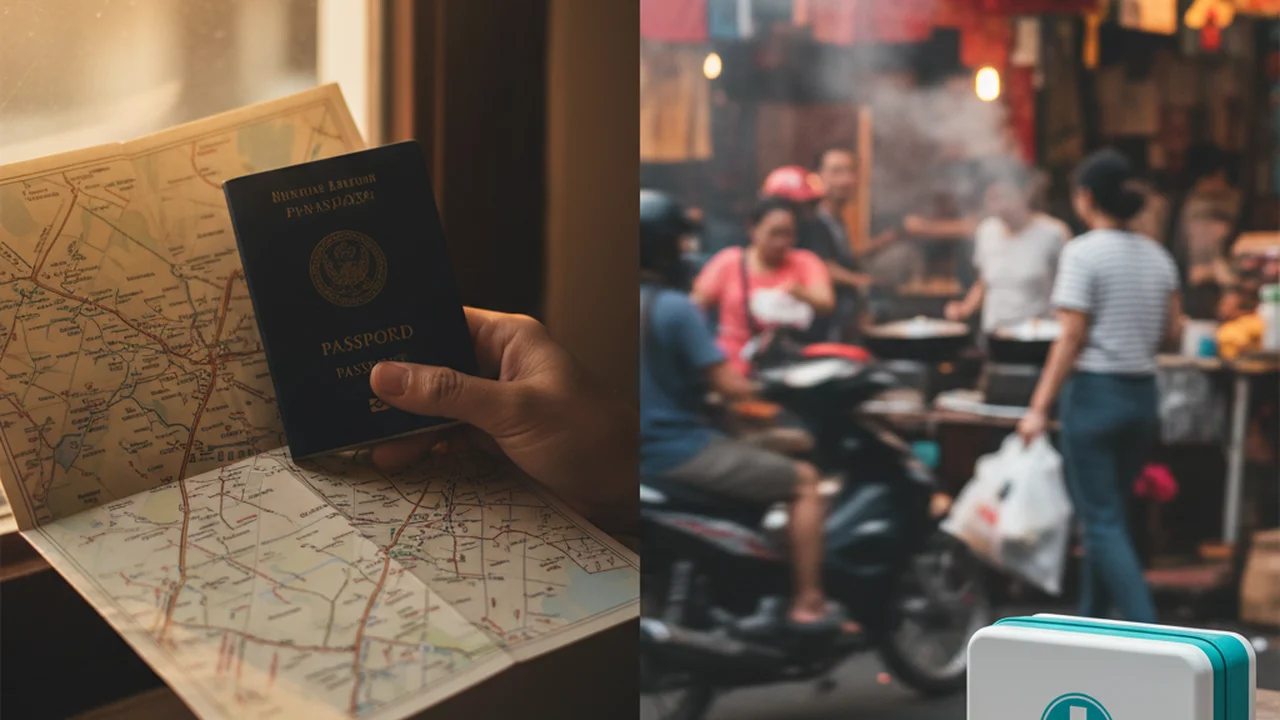
Consider packing a small emergency kit with essentials like a flashlight, whistle, basic first-aid supplies, and a portable power bank for your phone.
Logistical Emergencies
These are issues that disrupt your travel plans but aren't necessarily medical or safety threats.
Lost or Stolen Passports/Visas
This is a major inconvenience. Immediately report the loss to the local police and obtain a police report. Then, contact your country's embassy or consulate as soon as possible. They can assist in issuing emergency travel documents to allow you to return home or continue your journey.
Preventative Measures
Keep digital and physical copies of your passport, visa, and other important documents separate from the originals. Store them securely in the cloud or with a trusted travel companion.
Flight Cancellations or Delays
Airlines in Southeast Asia can sometimes experience delays or cancellations. If this happens, contact the airline directly to understand your options for rebooking or compensation. Your travel insurance might also cover costs incurred due to significant delays.
Alternative Booking Platforms
Having alternative booking platforms like Skyscanner or Agoda bookmarked can help you quickly find alternative flights or accommodation if needed.
Product Recommendation: Skyscanner App
Skyscanner is a powerful flight comparison engine that can help you find alternative flights quickly if your original plans are disrupted.
- Coverage: Flight comparison and booking.
- Use Case: Finding alternative flights during cancellations or delays, or searching for budget-friendly options.
- Price: Free to use; prices vary based on the flights you book.
- Comparison: Aggregates flights from numerous airlines and online travel agencies, making it easier to compare options than checking individual airline websites.
Lost or Stolen Money/Cards
If your wallet is stolen or your cards are lost, contact your bank or credit card company immediately to cancel them and prevent fraudulent use. Keep a record of your card numbers and emergency contact details for your banks separately.
Emergency Cash
Consider carrying a small amount of emergency cash (e.g., USD or Euros) hidden separately from your main wallet. This can be a lifesaver if you lose access to your cards.
Communication and Language Barriers
Language barriers can exacerbate emergencies. While English is spoken in tourist areas, it's not universal.
Learning Basic Phrases
Learning a few basic phrases in the local language (e.g., "hello," "thank you," "help," "hospital," "police") can be incredibly helpful in critical situations.
Translation Apps
Having a reliable translation app on your phone is invaluable. Google Translate is a popular choice, offering text, voice, and even image translation.
Product Recommendation: Google Translate App
Google Translate is a free and versatile translation tool that works offline with downloaded language packs.
- Coverage: Translates text, speech, and images between numerous languages.
- Use Case: Communicating with locals, understanding signs, and navigating menus. Essential for overcoming language barriers in emergencies.
- Price: Free.
- Comparison: Offers more features and language support than many other free translation apps, with the crucial offline functionality.
Local SIM Cards or eSIMs
Staying connected is vital. Purchasing a local SIM card or an eSIM upon arrival is usually inexpensive and provides reliable data access, allowing you to use navigation apps, translation tools, and contact emergency services.
Product Recommendation: Airalo eSIM
Airalo offers eSIMs for numerous countries, allowing you to connect to local networks without needing a physical SIM card.
- Coverage: Provides mobile data access in various countries.
- Use Case: Staying connected for navigation, communication, and emergency calls without the hassle of changing physical SIM cards.
- Price: Varies by region and data package, typically starting from $5-$10 USD for a small package.
- Comparison: More convenient than buying local SIM cards if your phone supports eSIM, especially for short stays or multi-country trips.
General Preparedness Tips for Southeast Asia
Beyond specific emergency types, general preparedness can significantly reduce risks.
Research Your Destinations
Understand the local customs, potential risks, and emergency procedures for each specific country or region you plan to visit. Check your government's travel advisories.
Stay Informed
Keep up-to-date with local news and any potential issues that might affect your travel plans.
Trust Your Instincts
If a situation feels unsafe or uncomfortable, remove yourself from it. Don't hesitate to seek help from hotel staff, police, or your embassy if needed.
Traveling in Southeast Asia is an enriching experience. By being informed and prepared for potential emergencies, you can ensure your adventure is as safe and enjoyable as possible. Remember to always prioritize your well-being and don't hesitate to seek assistance when needed.