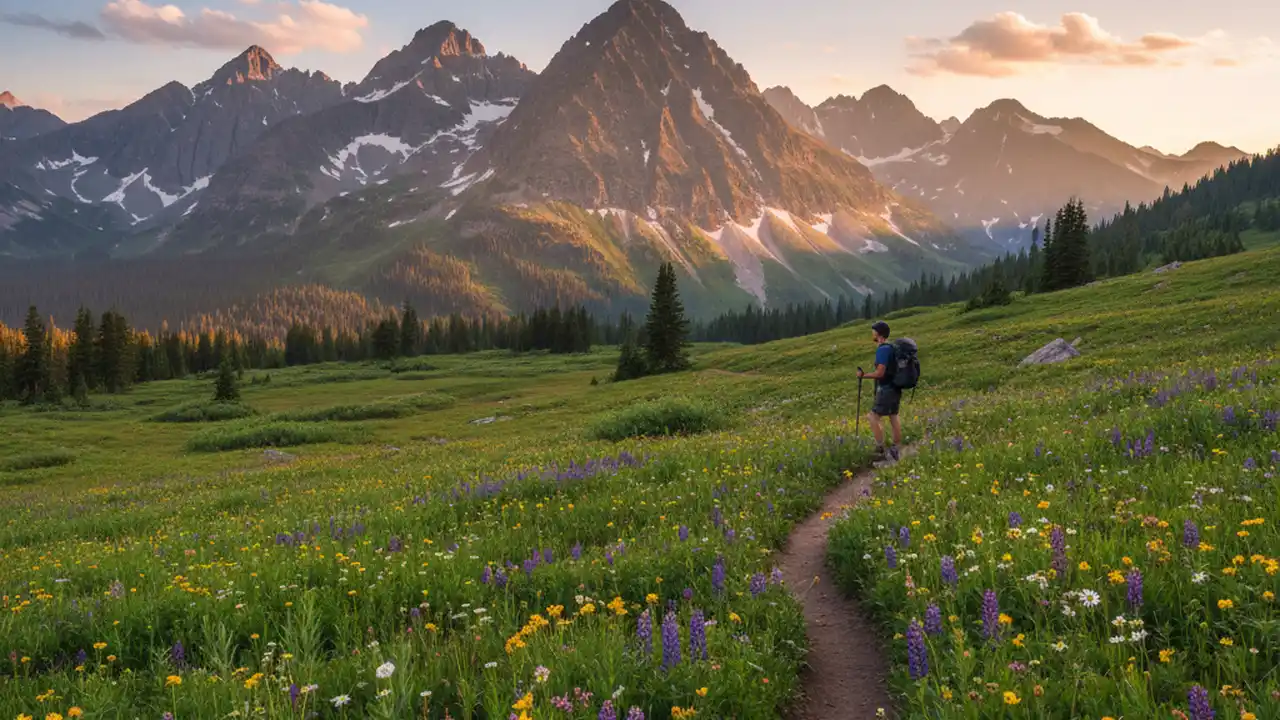
5 Best Lightweight Tents for US Backpacking
A review of the 5 best lightweight tents ideal for backpacking adventures across the United States. Compare features, weight, durability, and price to find your perfect shelter.
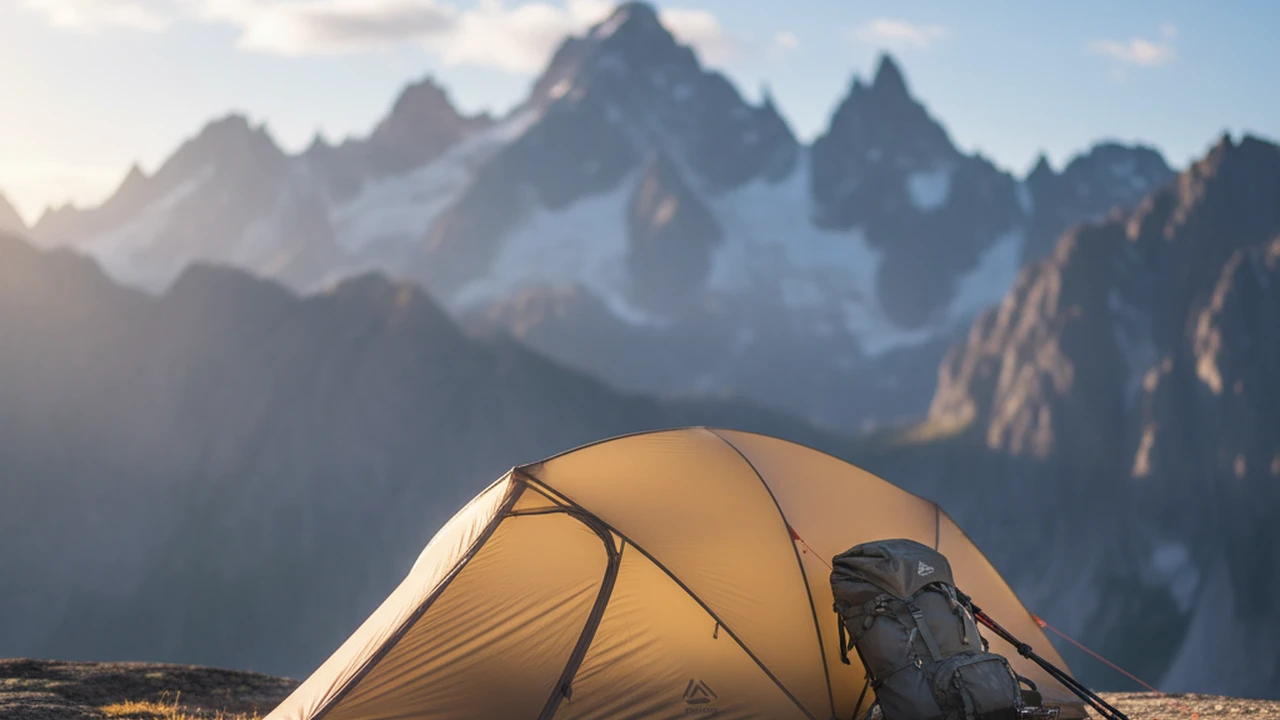
5 Best Lightweight Tents for US Backpacking
Discover the 5 best lightweight tents perfect for your next backpacking adventure across the diverse landscapes of the United States. We delve into features, weight, durability, and price to help you choose the ideal shelter for your journey.
Choosing Your Ultralight Backpacking Tent
When embarking on a backpacking trip in the US, your tent is more than just shelter; it's your home away from home. For the serious backpacker, weight is a critical factor. Every ounce counts when you're covering miles day after day. Lightweight tents have revolutionized backcountry travel, allowing for greater mobility and comfort without sacrificing protection from the elements. This guide focuses on tents that strike an excellent balance between low weight, durability, weather resistance, and livability, specifically curated for the varied terrains and conditions found across the United States, from the Rockies to the Appalachians and beyond.
Key Factors for Lightweight Tent Selection
Before we dive into our top picks, let's consider what makes a tent truly great for US backpacking:
Weight and Packed Size
This is paramount. Look for tents with a trail weight (the weight of the tent, poles, and stakes) under 3 pounds, ideally closer to 2 pounds for solo trips. Packed size is also important for fitting into your backpack.
Durability and Materials
Lightweight doesn't mean flimsy. High-quality ripstop nylon or polyester fabrics with robust denier counts (e.g., 15D, 20D, 30D) offer a good balance. Look for strong pole materials like DAC aluminum.
Weather Protection
The US has diverse weather. Your tent needs to withstand rain, wind, and potentially snow. Features like waterproof rainflies (with high hydrostatic head ratings), sturdy zippers, and well-designed ventilation are crucial to prevent condensation.
Livability and Space
While minimizing weight, you still need enough space to sleep comfortably and store your gear. Consider the interior volume, peak height, and vestibule space for cooking or storing wet gear.
Ease of Setup
After a long day of hiking, you want a tent that's quick and intuitive to pitch. Freestanding designs are generally easier to set up on various terrains.
Our Top 5 Lightweight Tents for US Backpacking
1. Big Agnes Copper Spur HV UL2
Big Agnes Copper Spur HV UL2
Ideal For: Backpackers prioritizing ultralight comfort and ample space.
Key Features: High volume (HV) design for excellent headroom, two doors and two vestibules for convenience and gear storage, ultralight materials, easy setup.
Weight: 2 lbs 17 oz (1.33 kg)
Capacity: 2 Person
Packed Size: 7" x 19.5" (18 x 50 cm)
Materials: Ripstop nylon, DAC Featherlite NFL poles.
Waterproof Rating: Rainfly 1200mm, Floor 1200mm.
Price Range: $$$ (Approx. $450 - $500)
Scenario: Perfect for multi-day treks in the Rocky Mountains where unpredictable weather can strike, offering enough space to comfortably sit up and organize gear in the vestibules during rain showers.
Pros: Exceptionally lightweight for its size, great headroom, dual entry/vestibules, durable construction.
Cons: Higher price point, fabric can be delicate if not handled with care.
2. MSR Hubba Hubba NX 2
MSR Hubba Hubba NX 2
Ideal For: Backpackers seeking a durable, versatile, and reliable all-around ultralight tent.
Key Features: Freestanding design, excellent strength-to-weight ratio, symmetrical design for easy setup, good ventilation, durable fabrics.
Weight: 3 lbs 10 oz (1.65 kg)
Capacity: 2 Person
Packed Size: 6" x 20" (15 x 51 cm)
Materials: Ripstop nylon rainfly and floor, aluminum poles.
Waterproof Rating: Rainfly 3000mm, Floor 10000mm.
Price Range: $$$ (Approx. $400 - $450)
Scenario: A go-to for backpacking trips in the Pacific Northwest, where rain is common. Its robust construction and excellent waterproofing provide reliable shelter against persistent drizzle and wind.
Pros: Very durable, excellent weather resistance, easy to pitch, good livability.
Cons: Slightly heavier than some competitors, vestibule space could be larger.
3. Nemo Hornet 2P
Nemo Hornet 2P
Ideal For: Ultralight enthusiasts who prioritize minimal weight above all else.
Key Features: Extremely low weight, semi-freestanding design, compact packed size, good ventilation, integrated gear loft.
Weight: 2 lbs 3 oz (0.99 kg)
Capacity: 2 Person
Packed Size: 6" x 19" (15 x 48 cm)
Materials: Ripstop nylon, aluminum poles.
Waterproof Rating: Rainfly 1200mm, Floor 3000mm.
Price Range: $$$ (Approx. $400 - $450)
Scenario: Ideal for thru-hikers on trails like the Appalachian Trail or Pacific Crest Trail where every ounce matters. Its featherlight nature makes long-distance hiking more manageable.
Pros: Incredibly lightweight, very compact, good ventilation.
Cons: Less durable than heavier tents, requires careful setup on uneven ground due to semi-freestanding design, limited vestibule space.
4. REI Co-op Half Dome SL 2+ Tent
REI Co-op Half Dome SL 2+ Tent
Ideal For: Budget-conscious backpackers seeking a durable and spacious tent.
Key Features: Excellent value for money, spacious interior, two doors and vestibules, durable construction, easy setup.
Weight: 4 lbs 11 oz (2.13 kg)
Capacity: 2 Person (but feels more like a 2+)
Packed Size: 8" x 21" (20 x 53 cm)
Materials: Ripstop nylon, DAC poles.
Waterproof Rating: Rainfly 1500mm, Floor 3000mm.
Price Range: $$ (Approx. $200 - $250)
Scenario: A fantastic option for weekend camping trips in the Sierra Nevada or for beginners starting out. Its generous space and robust build make it forgiving and comfortable.
Pros: Affordable, very spacious, durable, good value.
Cons: Heavier than other ultralight options, not ideal for long-distance thru-hiking.
5. Tarptent Double Rainbow
Tarptent Double Rainbow
Ideal For: Backpackers who appreciate a minimalist, versatile, and ultralight shelter with excellent weather protection.
Key Features: Single-wall design (reduces weight and complexity), excellent storm protection, spacious interior for its weight, versatile pitching options.
Weight: 2 lbs 11 oz (1.22 kg)
Capacity: 2 Person
Packed Size: 6" x 13" (15 x 33 cm)
Materials: Silnylon (silicone-impregnated nylon).
Waterproof Rating: 3000mm.
Price Range: $$$ (Approx. $300 - $350)
Scenario: Great for backpacking in the desert Southwest where wind and rain can be intense. Its single-wall design and robust pitch handle challenging conditions well.
Pros: Very lightweight, excellent stormworthiness, spacious, packs down small, good ventilation.
Cons: Requires trekking poles for setup (not included), single-wall design can lead to condensation if not managed properly, requires practice to pitch efficiently.
Comparing Lightweight Tent Options
Choosing the right tent often comes down to prioritizing certain features. Here's a quick comparison:
| Tent Model | Weight (approx.) | Price Range | Best For | Key Advantage |
|---|---|---|---|---|
| Big Agnes Copper Spur HV UL2 | 2 lbs 17 oz | $$$ | Comfort & Space | Headroom & Dual Entry |
| MSR Hubba Hubba NX 2 | 3 lbs 10 oz | $$$ | Durability & Versatility | All-weather reliability |
| Nemo Hornet 2P | 2 lbs 3 oz | $$$ | Absolute Ultralight | Minimal weight |
| REI Co-op Half Dome SL 2+ | 4 lbs 11 oz | $$ | Value & Space | Affordability & Roominess |
| Tarptent Double Rainbow | 2 lbs 11 oz | $$$ | Minimalist & Stormproof | Single-wall efficiency |
Real-World Backpacking Scenarios
Scenario 1: A Week in Yosemite National Park
For a week-long backpacking trip in Yosemite, you'll encounter varied terrain, potential for rain, and the need for a reliable shelter. The Big Agnes Copper Spur HV UL2 would be an excellent choice. Its generous interior space allows for comfortable rest after long hiking days, and the dual vestibules are invaluable for storing wet gear and cooking in inclement weather. The lightweight design won't be a burden on the strenuous climbs, and its robust construction can handle the mountain winds.
Scenario 2: Thru-Hiking the Appalachian Trail (AT) Section
If you're tackling a significant section of the AT, weight is your enemy. The Nemo Hornet 2P shines here. Its incredibly low weight makes a huge difference over hundreds or thousands of miles. While it offers less space and requires more careful setup, the trade-off in weight savings is significant for long-distance hikers. Its compact size also means it fits easily into any backpack.
Scenario 3: Weekend Camping in the Colorado Rockies
For shorter trips in the Rockies, where weather can change rapidly, durability and ease of setup are key. The MSR Hubba Hubba NX 2 is a fantastic all-rounder. It's known for its bombproof construction and excellent weather resistance, providing peace of mind in unpredictable mountain conditions. The freestanding design makes pitching easy, even on rocky ground.
Scenario 4: Budget Backpacking in the Smoky Mountains
If you're on a tighter budget but still need a reliable tent for the Great Smoky Mountains, the REI Co-op Half Dome SL 2+ is hard to beat. It offers more space than many ultralight tents at a fraction of the cost. While heavier, it's still manageable for weekend trips and provides a comfortable and durable shelter.
Scenario 5: Exploring the Desert Southwest Trails
For trails in areas like Utah or Arizona, where wind and sudden storms can occur, the Tarptent Double Rainbow is a strong contender. Its single-wall design is efficient, and it's known for its ability to withstand strong winds when pitched correctly. The silnylon fabric is durable and waterproof, and the versatile pitching options allow you to adapt to different campsites.
Tips for Maximizing Your Lightweight Tent's Lifespan
To ensure your investment lasts for many adventures:
- Always use a footprint: A ground cloth protects the tent floor from abrasion and punctures.
- Pitch on a clean surface: Remove sharp rocks, twigs, and debris before setting up.
- Ventilate properly: Open vents to minimize condensation, especially in humid conditions.
- Dry thoroughly before storing: Never pack a wet tent away for long periods; this can lead to mildew. Air it out completely at home.
- Avoid prolonged sun exposure: UV rays degrade fabric over time. Pack up when you break camp.
- Be gentle with zippers: Keep them clean and avoid forcing them.
Final Thoughts on Ultralight Shelters
Selecting the right lightweight tent is a personal journey, balancing weight, cost, durability, and comfort. Whether you're aiming for the highest peaks or the longest trails across the US, these five tents represent some of the best options available. Consider your typical trip length, expected weather conditions, and personal comfort needs to make the best choice for your next backpacking adventure. Happy trails!